1. Implementing habit loops
Most of what we do as humans comes down to our habits; we are, after all, what we repeatedly do. Habits have a huge impact on how we interact with each other and how we interact with brands.
Pere Monguió of FXStreet explains:
“Implementing habit loops that keep customers engaged in digital environments will become a priority. Big platforms have been using them for years. Brands have realized they need to catch up.”
What is a habit loop? It’s the neurological loop that’s responsible for a habit. There are three components: cue, routine, and reward.
Smartphones and social media are prime examples of habit loop formation. The ping from a new notification is the cue, the routine involves pulling out a phone to check the notification, and the reward is seeing a new message from a friend or a new comment on social media.
What to do:
Habits can make your prospects excited and, in some cases, addicted to what you do as a brand, continually reaching out for more information or rewards. Monguio recommends reading Nir Eyal’s Hooked for more insight into building habit-forming products.
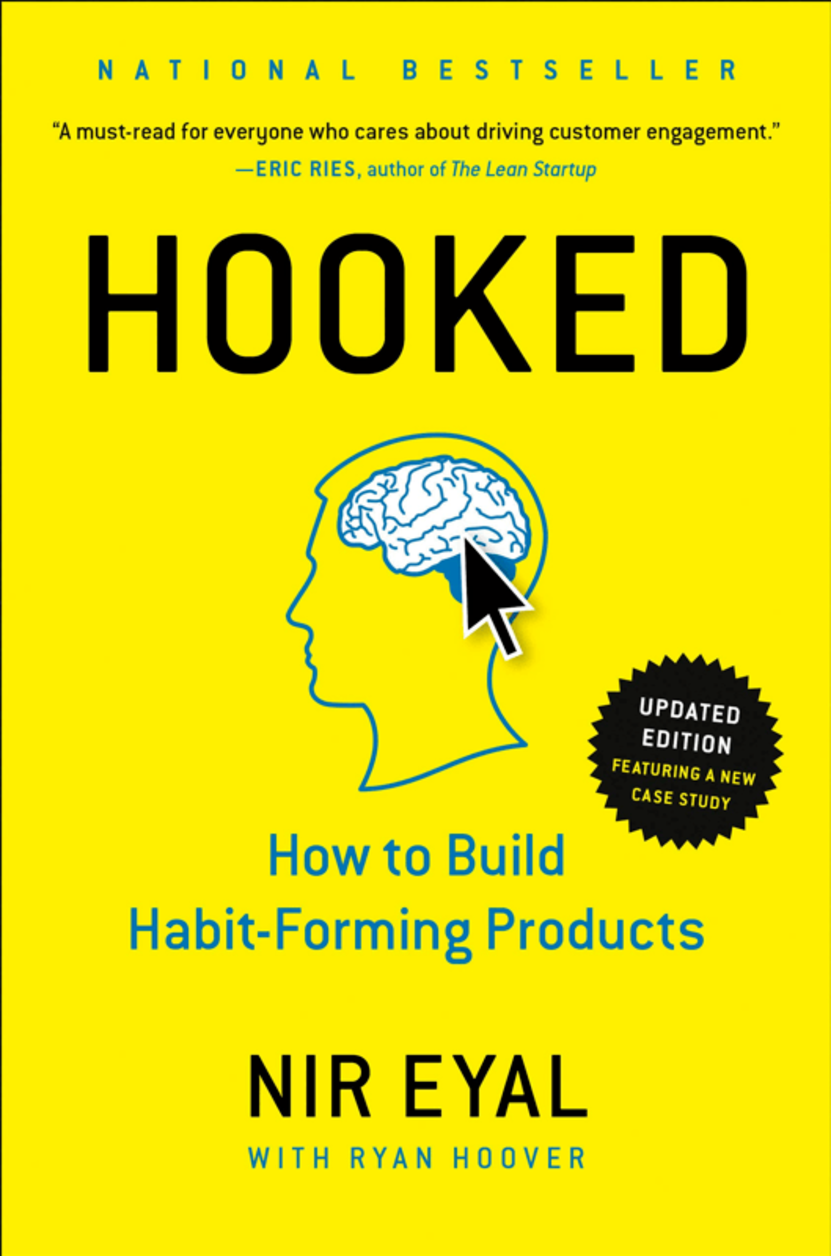
Habits don’t require as much advertising to gain traction since the user views them as indispensable for their way of life. Begin by creating a hook for your product. A hook triggers an action that produces a reward and encourages investment.
Focus on how your brand or product can remove negative emotions and yield positive results for your customers.
For example many SaaS brands highlight their features by showcasing the benefits their products can produce.
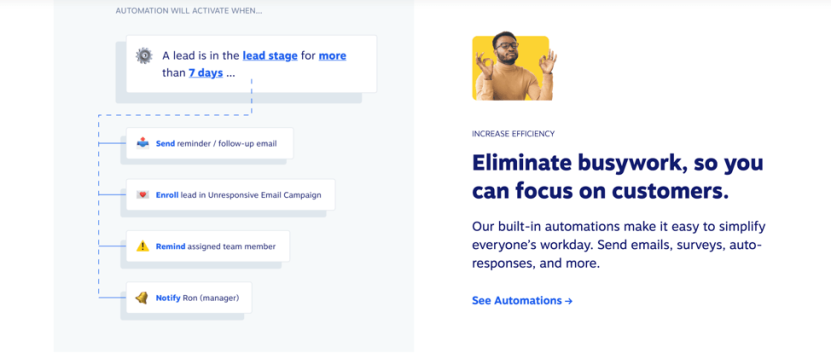
(Source: Nextiva)
Another way to create a habit loop is by framing your product as desirable. Highlight some of your customers in the industry that use your product and the benefits they’ve received from doing so through things like case studies.