Customer loyalty programs: It all started with loyalty cards
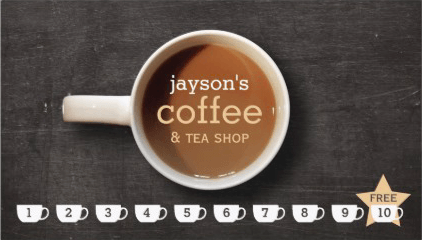
We all know of restaurants with a simple loyalty program. You get a card and for every appetizer (or sandwich, or drink) you order, you earn a stamp. Once you collect 12 stamps, you earn a free appetizer, or sandwich, or drink.
This is a classic example of a low-tech loyalty program. Something as simple as a wallet-sized card tracks customer’s purchases, usually with a punch card.
The modern version: Email opt-in programs
The next step up from this old-school approach is the opt-in email program. Customers can sign up to be notified of special offers that are reserved only for members of the email list.
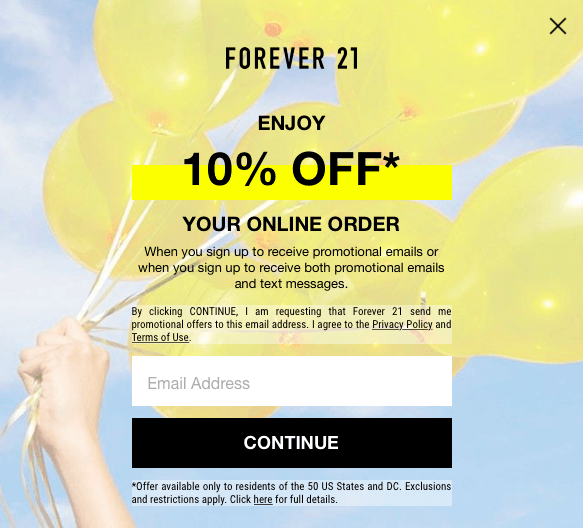
Given the high volume of advertisements that the average person sees in a day, many shoppers don’t like the idea of yet another company’s emails infiltrating their already crowded inbox.
The solution? Convince your customer that your email list is worth it.
For example, Williams-Sonoma’s signup window gives shoppers two options: “continue” (i.e., sign up), or “pay full price.”
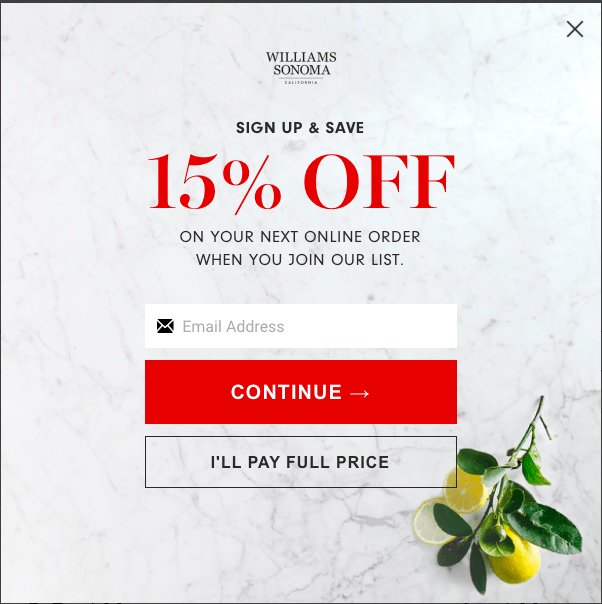
When it’s put this way, the customer might think twice about turning down the offer.
Once the customer takes the bait and signs up, something changes. From that point on, they’re seeing your ads because they chose to, not because they unknowingly clicked something that resulted in an unwanted promotional email.
This dynamic shifts your relationship with the customer in your favor and gives you a chance to draw them in even more.
So once you’ve won it, don’t waste it — make sure your email list actually does offer perks that are tempting enough to encourage signups (more on this later).
High-tech loyalty programs usually involve an app or website that tracks how much the customer spends every time they shop. This system requires an initial enrollment process on the customer’s part.
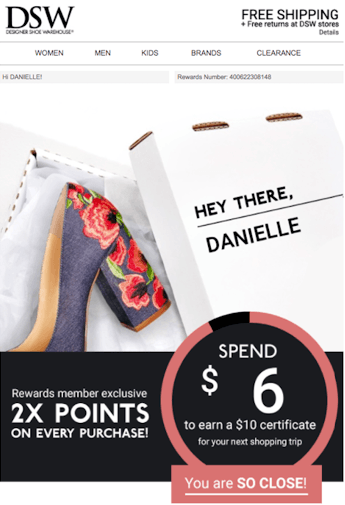
Dollars spent become points, and points can be redeemed to earn a reward.